Water Damage Services on the Gold Coast

Trust our team of Water Damage Repair experts to restore your property swiftly and efficiently. We provide 24/7 emergency services to get your home or business back to normal in no time.

Get Your Free Estimate

IICRC Firm Certification

Fully Licensed & Insured

Direct Insurance Liaison

Advanced Drying Technology

Available 24/7 Across the Gold Coast

A burst flexi-hose in a Robina townhouse. A roof leak from a fierce summer storm battering a home in Burleigh Heads. A canal backflow event in a Hope Island waterfront property during a king tide. Water damage on the Gold Coast is a constant threat, driven by a humid subtropical climate that delivers both intense, short-duration downpours and year-round, mould-fuelling humidity that peaks near 77% in summer.


We are a team of IICRC-certified restoration technicians. We understand the specific pressures this environment places on our local building stock. When an East Coast Low lingers or a summer storm cell dumps 100mm in an hour, we know the risk isn’t just the initial water intrusion, but the near-impossible drying conditions that follow.


Our entire process is governed by the AS/NZS-IICRC S500 Standard for Professional Water Damage Restoration, but our methods are shaped by decades of on-the-ground experience right here on the Coast.

Why Gold Coast-Specific Restoration Experience is Non-Negotiable

Restoring water damage in South East Queensland is a science dictated by local conditions. A generic approach that works in a drier southern city will fail here. The difference between saving a property and condemning it to rot and mould lies in understanding the Gold Coast’s unique building materials and ever-present atmospheric moisture.


We’ve documented the aftermath of intense weather events, from the 2017 floods caused by ex-tropical cyclone Debbie to the frequent, violent summer thunderstorms that can bring giant hail. We understand how wind-driven rain forces its way past the seals of high-rise windows in Broadbeach and Surfers Paradise, and how it saturates the timber frames of older homes in Southport.


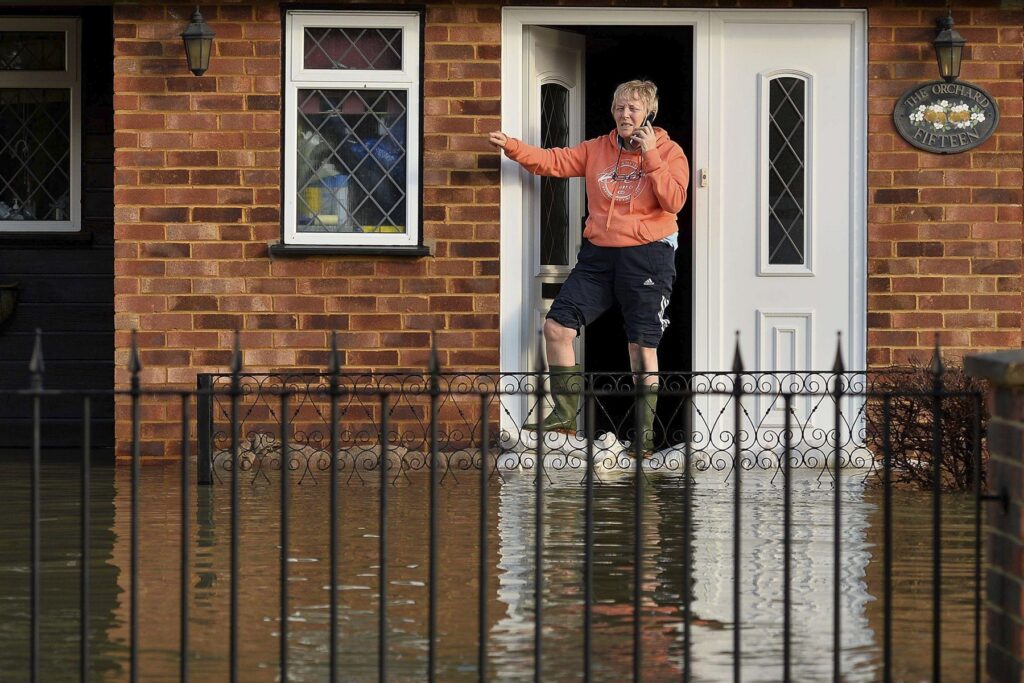
Our most critical experience comes from managing the consequences of flooding in the Nerang and Coomera River catchments. We’ve dealt with the specific, highly contaminated Category 3 water that follows flash floods in low-lying areas like Currumbin Waters and parts of Nerang, carrying silt, road pollutants, and agricultural runoff from the hinterland.


This knowledge is practical. It means we know that the year-round ambient humidity is our primary adversary during the structural drying phase. It means we understand the challenge of drying a concrete slab-on-ground home in a new Pimpama estate is vastly different from mitigating water damage in a sub-floor of a canal-front home in Paradise Point. We are proficient in handling the unique construction materials common to the Gold Coast, from fibre cement cladding and Colorbond roofing to the precast concrete used in many newer developments.


We provide insurance-compliant documentation, including thermal imaging, detailed moisture mapping, and verifiable drying logs that major Australian insurers trust because they are built on verifiable, local data.

Our IICRC-Certified Services, Tailored for the Gold Coast

Our scope of work is dictated by the standards set by the IICRC and adopted by Standards Australia as AS-IICRC S500. This ensures our processes are verifiable, align with global best practices, and are recognized by all major Australian insurance providers, including Suncorp, AAMI, and RACQ.

Water Damage Restoration (Categorisation Focus)

The IICRC S500 standard classifies water intrusion by its contamination level, dictating the restoration protocol. Category 1 is “Clean Water” from a mains pipe burst. Category 2 is “Grey Water,” like from a dishwasher overflow. Category 3 is “Black Water,” which is grossly contaminated. On the Gold Coast, any water from river flooding, the Broadwater, or the extensive canal systems is always treated as Category 3 from the outset due to the high probability of contamination.

Flood Damage Restoration (River & Canal System Specialty)

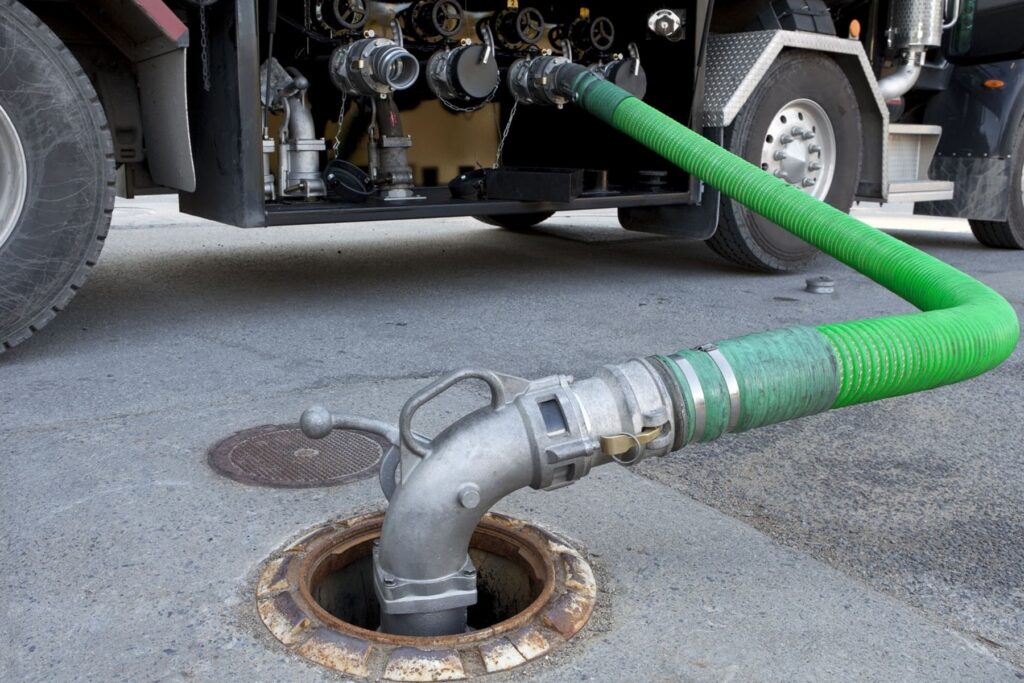
Following significant rainfall events that cause the Coomera or Nerang Rivers to break their banks or inundate low-lying canal suburbs like Burleigh Waters or Hope Island, our flood protocol is highly specialised. The first priority is aggressive extraction of bulk water with high-volume units. This is followed by removing non-salvageable porous materials and applying hospital-grade antimicrobials. We then establish a controlled drying environment engineered specifically to combat the Gold Coast’s high ambient humidity, preventing the secondary mould damage that is almost guaranteed in our climate.

Storm Damage Restoration (Cyclonic Event Response)

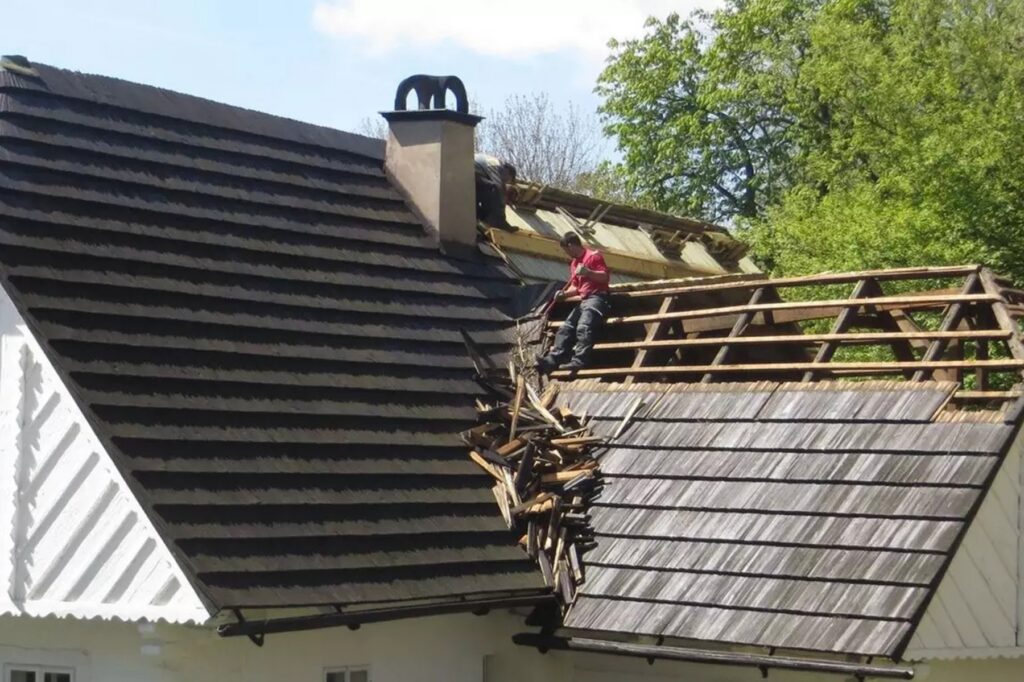
The Gold Coast has a history of impactful weather, including ex-tropical cyclones like Debbie in 2017. Our emergency service addresses the common outcomes: wind-driven rain penetrating high-rise apartments, roof damage from hail or falling trees saturating insulation, and flash flooding in suburbs like Tallebudgera Valley. The goal is immediate mitigation to halt water absorption, protecting the structural integrity of your property according to QBCC guidelines.

Contamination Cleanup
(Black Water & Biohazard)

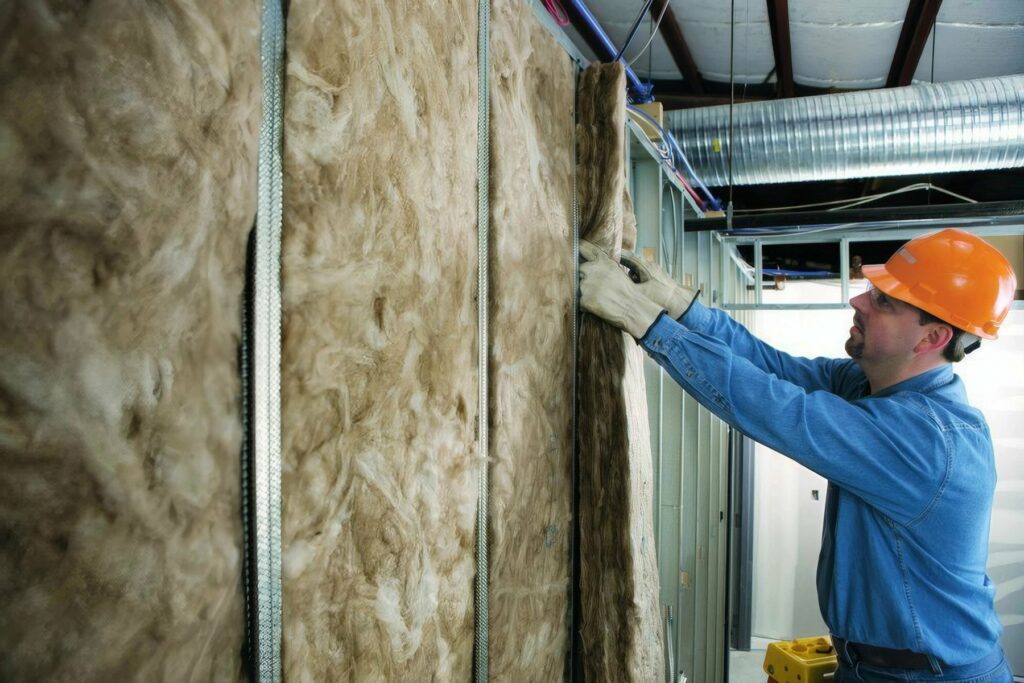
A sewage backflow in a Mermaid Waters home or floodwater intrusion from the canals is a declared biohazard emergency. Our certified technicians follow strict health and safety guidelines, using appropriate Personal Protective Equipment (PPE) to safely contain the area and remove all contaminated materials, including flooring, plasterboard, and insulation. The process involves complete disinfection and sanitisation. All repair work is conducted in line with QBCC licensing requirements.

Applied Structural Drying (ASD Certified)

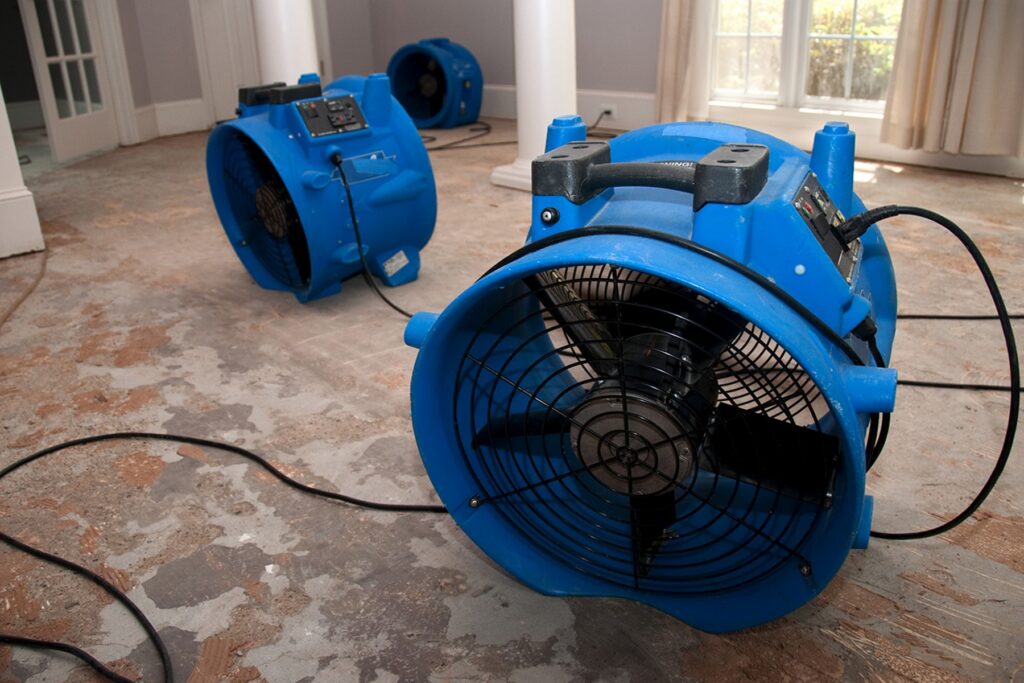
Our lead technicians hold IICRC Applied Structural Drying (ASD) certification, the industry’s advanced designation for drying the building itself. This is more than just placing fans. We use specialised equipment like Low-Grain Refrigerant (LGR) dehumidifiers and targeted heat-drying systems, creating precise atmospheric conditions inside the structure. This science, known as psychrometry, manipulates temperature and vapour pressure to draw deeply bound moisture from materials like concrete, timber framing, and plasterboard. This is the only way to ensure a structure is verifiably dry according to the S500 standard.

Specialised Materials Drying (High-Rise & Coastal)

We have specific protocols for Gold Coast building types. For modern high-rises in Surfers Paradise, this involves strategies to manage airflow and drying in concrete structures. For older, elevated timber homes in the Hinterland, we focus on creating controlled airflow in the sub-floor to dry bearers and joists. For canal-front homes in Runaway Bay, often built with rendered block and concrete, we draw moisture from within these porous materials that can retain water for months, leading to hidden mould if not treated by a certified ASD technician.

Odour Removal
(Molecular Neutralisation)

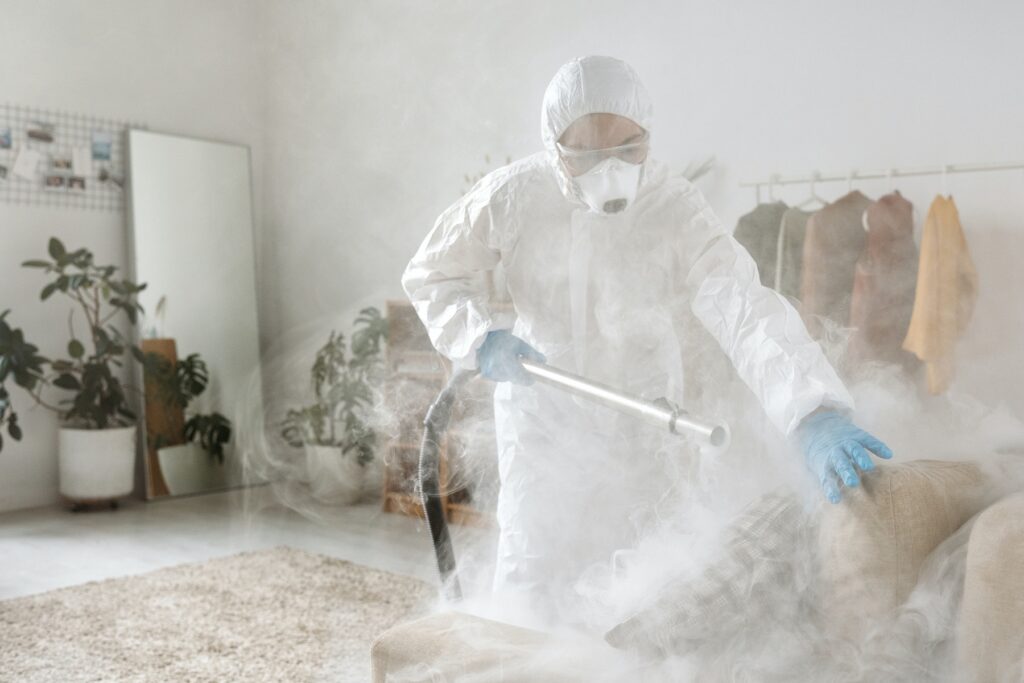
On the Gold Coast, humidity can permanently embed moisture-related odours from bacteria and mould into materials. We do not use masking agents. Our process uses technology like thermal fogging and hydroxyl generation. These methods create molecules that actively seek out and chemically neutralize odour-causing bacteria and microbial volatile organic compounds (MVOCs) at a molecular level, eliminating the source of the smell.

Mould Remediation
(IICRC S520 Standard)

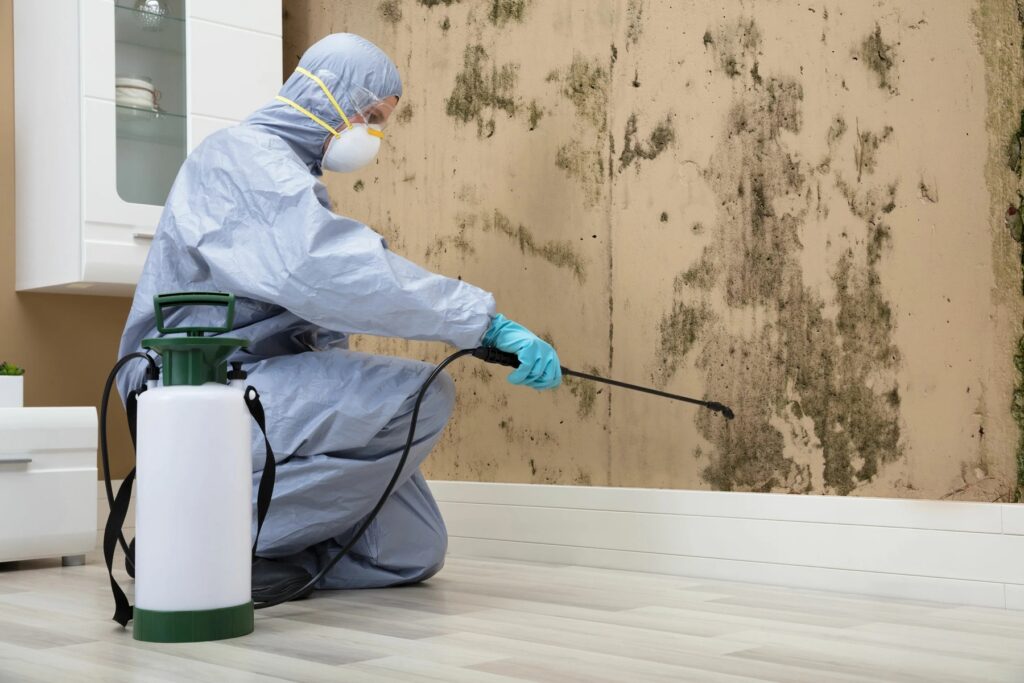
In our climate, mould growth is a certainty after 48 hours of unchecked moisture. Our mould remediation process strictly adheres to the IICRC S520 standard. We establish containment with negative air pressure to prevent cross-contamination. HEPA-filtered air scrubbers capture airborne spores while our technicians physically remove visible mould. Finally, we treat the source materials and provide a report verifying the underlying moisture problem is solved, which is critical for compliance and insurance.

What Our Gold Coast Clients Say

We have helped hundreds of Gold Coast families and businesses recover from water damage.

Mark T.
Mark T.
Robina
After a flexible hose let go and flooded our kitchen and living area, we were in a complete panic. The team from Water Damage Gold Coast was at our house within an hour. They extracted all the water, set up their drying equipment, and saved our flooring. Their professionalism was incredible, and they handled everything directly with our insurer, Suncorp.
David L.
David L.
Broadbeach
Our apartment in Broadbeach had a severe leak from the unit above. Water was coming through the ceiling and walls. These guys were fantastic. They understood the complexities of working in a high-rise, liaised with the Body Corporate managers, and used thermal cameras to find all the hidden moisture in the concrete. A truly expert service.
Susan P.
Susan P.
Hope Island
The recent king tide combined with heavy rain caused our canal-front property to take on water. It was a contaminated mess. The team was so respectful and efficient. They explained the risks of Category 3 water, handled the entire cleanup and stripping out of damaged materials, and documented everything meticulously for our AAMI insurance claim.

Rapid Dispatch Across the Gold Coast

Our teams provide a 60-minute emergency response to the entire region, including:

IICRC-Certified Technicians Working to the Australian S500 Standard

The Australian restoration industry now has a formal benchmark: the AS-IICRC S500 Standard for Professional Water Damage Restoration. This standard, adopted by Standards Australia, codifies the best practices our firm has followed for years. It defines the mandatory procedures for inspection, categorisation, and remediation.

Our commitment to this standard means:

  1. Verifiable Processes: Every step, from moisture mapping to dehumidifier placement, is based on scientific principles.
  2. Technician Competency: Our technicians hold individual IICRC certifications in Water Damage Restoration (WRT) and Applied Structural Drying (ASD).
  3. Insurance Compliance: Adherence to the S500 standard is what insurers like RACQ, Suncorp, and AAMI expect for claim validation.

Our Protocols Are Based On Verifiable, Peer-Reviewed Standards

All our technicians are IICRC-certified and maintain their credentials through continuous professional development. This ensures we apply the most current, science-backed methods in structural drying, contamination control, and mould remediation as defined by the ANSI/IICRC S500 and S520 standards. This isn’t just a company policy; it is a fundamental commitment to the health of your property and the safety of your family. Furthermore, all structural repairs are performed under the regulations of the Queensland Building and Construction Commission (QBCC).

Frequently Asked Questions for Water Damage on the Gold Coast

Our goal is to be on-site anywhere on the Gold Coast, from Ormeau to Tweed Heads, within 60 minutes of your call. We are a 24/7 emergency service because we know that with water damage, hours count.

Yes. We have extensive experience working with all major Australian insurers, including Suncorp, RACQ, AAMI, Allianz, and more. We provide the detailed reports, photographic evidence, and moisture logs they require to process claims efficiently.

Many Gold Coast suburbs, especially low-lying coastal areas and those with canal estates like Paradise Point, Runaway Bay, and Palm Beach, are susceptible to flooding from river overflow, king tides, and storm surge. The Gold Coast City Council provides flood overlay maps that can help you assess your property’s specific risk.

Black water, or Category 3 water, is any water that originates from a contaminated source. On the Gold Coast, this includes all floodwaters from rivers and canals, sewage backflow, and storm surge. It is assumed to be grossly contaminated with pathogens, chemicals, and silt, and it requires specialised safety procedures and handling by certified technicians.

The decision depends on the category of water and the type of carpet. If the water is Category 1 (clean) and addressed quickly, carpets can almost always be saved. If it is Category 3 (black water), the underlay must always be removed and disposed of, and the carpet itself will require intensive cleaning and sanitisation. In many Category 3 cases, replacement is the safest option.

Contact Our Certified Team for an On-Site Assessment

If your property has been affected by water, do not wait. The environmental conditions on the Gold Coast are unforgiving. Contact us immediately for a professional response.

Scroll to Top